
One Engine,
Every Grid
PulseCore's physics-constrained forecasting engine extends beyond load prediction - powering applications across utilities, renewable operators, and industrial grids alike.
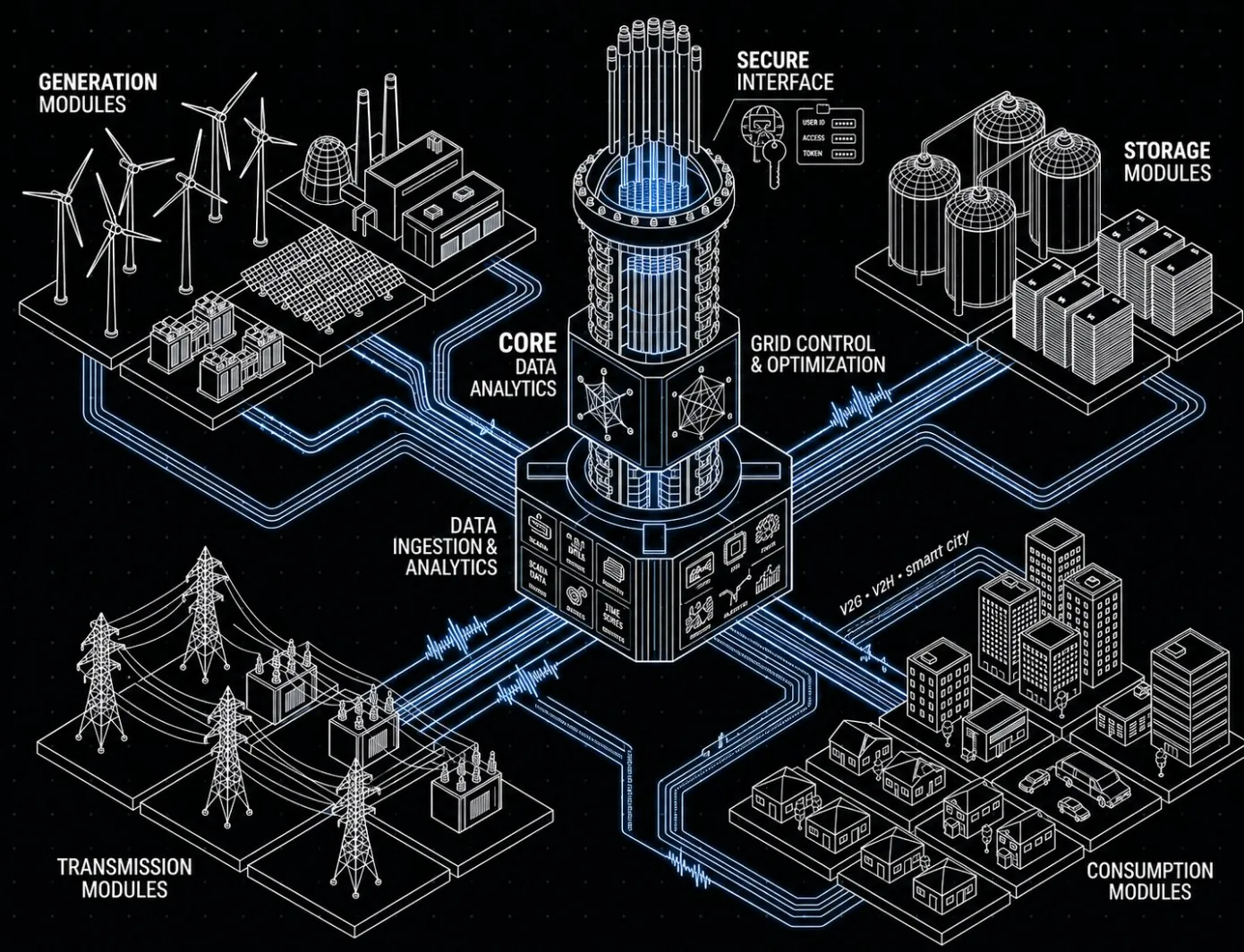
How PulseCore Addresses
Industry-Specific Risk
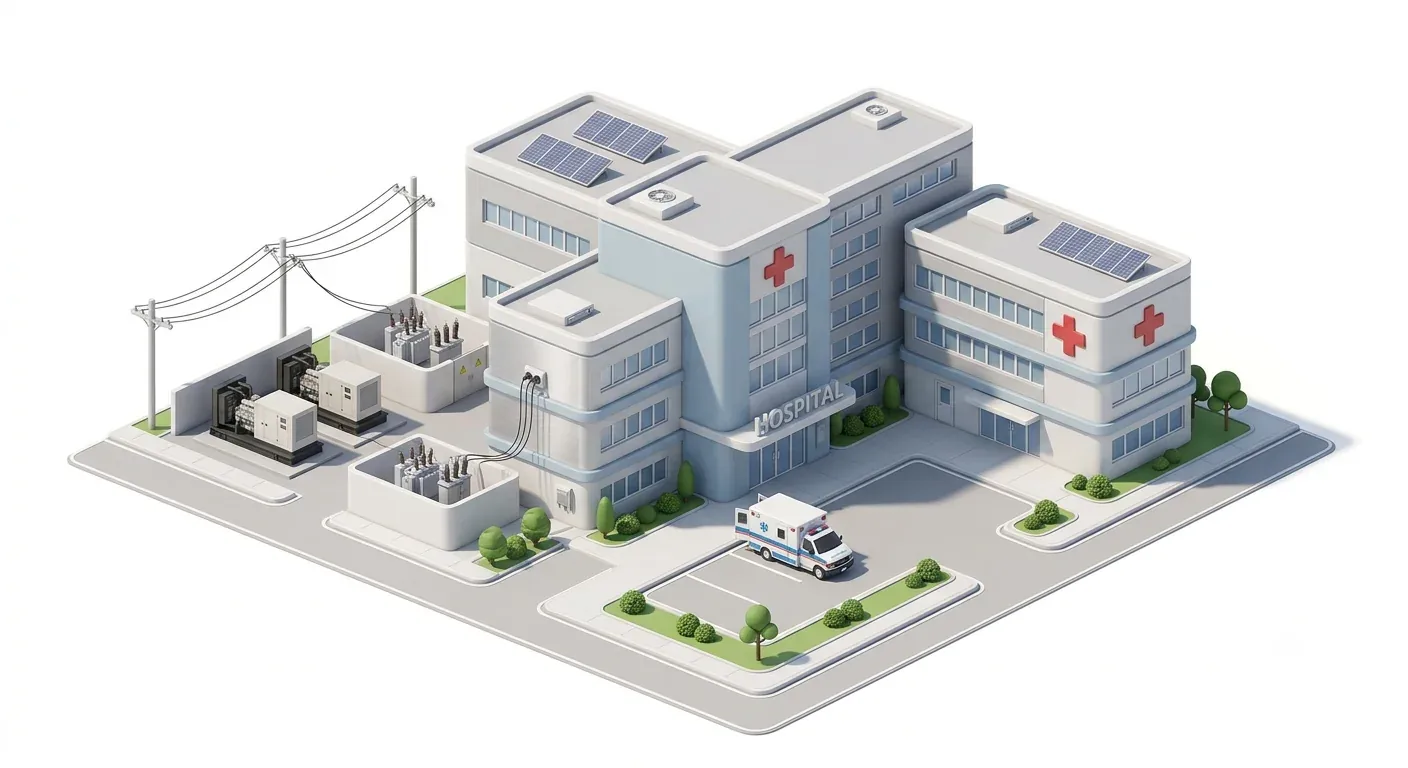
Forecasting the Load That Cannot Fail
Hospitals run on a zero-tolerance power margin. PulseCore forecasts demand shifts and flags instability before it reaches critical care, giving operators the lead time to act instead of react.
PulseCore flags voltage and frequency deviations in real time, well inside the window needed to trigger backup systems before impact.
Forecasts generator and battery reserves against predicted demand, so failover decisions are made ahead of time, not during an outage.
When constraints are unavoidable, PulseCore models which loads can be shed safely - keeping life-support circuits untouched.
Facts About Our Technology
PulseCore ingests standard grid telemetry — voltage, frequency, load, and weather feeds most utilities already collect. There's no proprietary hardware requirement to get started; the physics-constrained model adapts to the data streams already in place.
PulseCore operates across multiple horizons simultaneously — from sub-second anomaly detection for immediate intervention, out to multi-hour forecasts for planning around renewable intermittency and peak demand.
No. PulseCore sits alongside existing SCADA and grid-management infrastructure, feeding forecasts and alerts into the decisions operators already make — not replacing the control systems themselves.
Traditional forecasting models are largely statistical and struggle with intermittent renewables. PulseCore is physics-constrained, meaning its predictions respect the actual electrical behavior of the grid rather than just historical patterns — which holds up better under sudden, non-linear events.